Unitel Cyberattack Exposes Angola’s Strategic Vulnerabilities
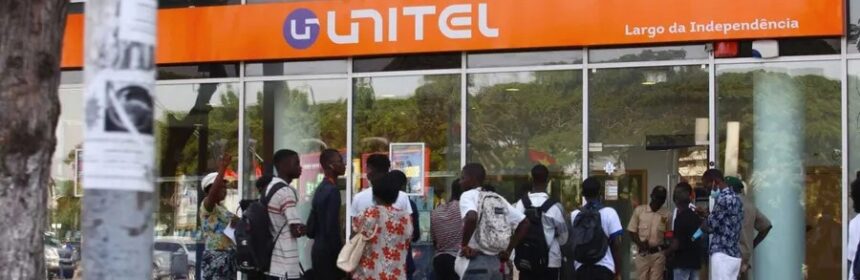
Angola’s largest telecommunications operator has entered a second day of severe disruption following a cyberattack that affected voice calls, mobile data and internet access across the country. With approximately 21 million customers, Unitel carries the most significant share of Angola’s personal, business and institutional communications. The network outage has left families unable to reach one another, disrupted internet-dependent businesses, hindered payments and commercial transactions, and affected ride-hailing services and numerous other daily activities. The losses have yet to be calculated, but the economic and social impact is already apparent. Every hour of disruption means interrupted business, lost customers, suspended transactions and employees unable to work normally. In a statement issued on July 28, Unitel said the attack had been detected at 2.20am. The company said its response and containment mechanisms had been activated immediately and that its technical and cybersecurity teams were working to mitigate the effects of the incident […]

Read more
Angola: Democracy Never Took Root in the MPLA

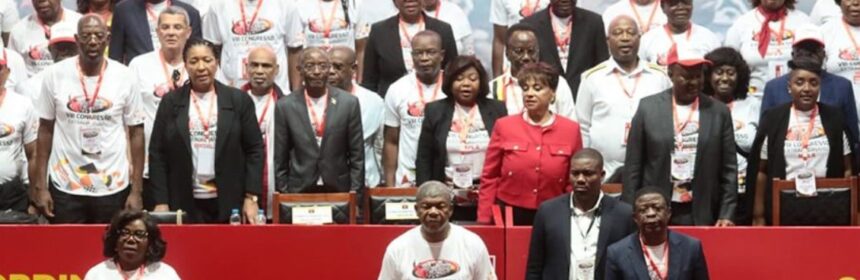
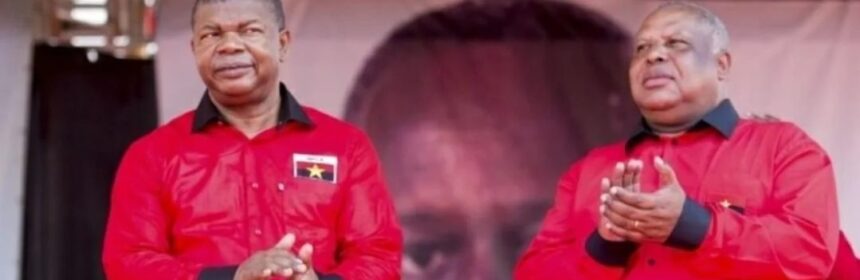
In December, João Lourenço will again stand as the sole candidate for the MPLA presidency at its ninth congress. The committee reviewing nominations rejected General Higino Carneiro’s bid, citing serious irregularities, including thousands of signatures deemed invalid or forged. Whatever the merits of those allegations, the outcome is clear. The party that has ruled Angola for more than half a century will once again choose its leader without a real contest. Carneiro’s exclusion is not a rupture but the latest expression of a tradition that predates independence. After Agostinho Neto assumed leadership of the MPLA in 1962, the movement organized itself around a simple principle, unity over competition and presidential authority over internal debate. Criticism was treated as disloyalty and dissent as a threat. Resistance emerged during the liberation struggle. Crises ranging from Brazzaville to the Eastern Revolt exposed the movement’s inability to accommodate political and organizational pluralism. Leaders and […]

Read more

Angola: Where Votes Count

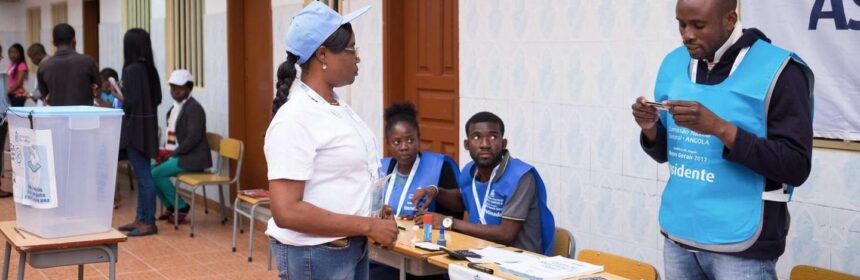
As Angola heads toward its 2027 general election, political debate has become consumed by familiar demands: rewrite the electoral law, replace the National Electoral Commission, invite more international observers. Each proposal is presented as the missing ingredient for a credible election. They all miss the central issue. Election integrity depends less on new institutions than on two simple questions: Who votes, and where are the votes counted? These are not merely technical matters. They determine whether citizens trust the result before it reaches the national authorities. Much of the discussion in Angola assumes that credibility flows from the top down—that better laws, stronger institutions or foreign observation will produce cleaner elections. Experience suggests the opposite. Public confidence is built from the ground up, beginning at each polling station where ballots are cast, counted and publicly announced. International observers can help, but they cannot certify every polling station in a country […]

Read more

Angola: Unitel Sale in Legal Limbo

The public sale of shares in Unitel, Angola’s largest telecommunications company, and the operator’s admission to trading on the country’s stock exchange mark an important stage in a privatisation programme that has so far offered investors few marquee assets. Unitel is a rare exception. On that basis alone, the transaction deserves support. Yet the deal comes with a legal complication that should not be relegated to the small print. Half of Unitel was transferred to the state by presidential decree in 2022, and the former owners continue to challenge that decision in court. If they ultimately prevail, the consequences could extend beyond the state and raise questions about the title acquired by new private investors. Unitel’s prospectus says the offering is intended to make shares available to Angolan and foreign investors, with a separate allocation for employees under the country’s privatisation law. The offer covers 15 per cent of Unitel’s […]

Read more

Angola’s Hidden Succession Crisis

The election that may decide Angola’s future is not the general election scheduled for 2027. It may be the internal election of the ruling MPLA, at the party congress in December 2026. In Angola, the head of the national list of the party that wins the general election becomes president. The MPLA has governed since independence; its internal choices often become state decisions. Yet President João Lourenço is constitutionally barred from seeking a third presidential term in 2027. A serious ruling party would already be debating its next candidate, program, team and transition. Instead, Angola is being asked to stare into a fog. Lourenço wants to remain MPLA president. What he has not done is name a successor, organize a credible transition or open a real contest over the future of the party and the country. The silence is the message. It keeps the party dependent on his timetable, his […]

Read more