‘Operation Thunderclap’: At Least Five Dead in Separatist Attack on Angolan Prison
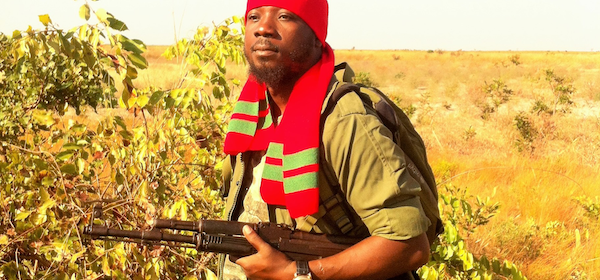
An armed attack on a prison in the north-eastern Angolan province of Lunda-Sul which resulted in the deaths of at least five people, has been blamed on a misguided attempt to free a self-styled independence leader. Responsibility for the attack is said to lie with a man calling himself “Commander Thunderclap” (*see below) who says it is the opening salvo in a liberation war for the independence of the Lundas. The diamond-rich region comprises twin provinces – North Lunda (Norte) and South Lunda (Sul), largely inhabited by descendants of the Tchokwe nation. It is no stranger to separatism. Local communities have long displayed discontent with Angola’s central government. While politicians, generals and foreign interests have carved out immense fortunes over decades, the lot of local people has not improved since colonial times, leading to simmering resentment and a growing appetite for self-rule. Zero tolerance for separatism The Angolan authorities are […]
Read more